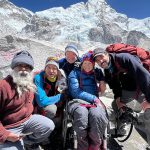
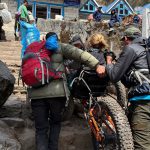
An incredible hike with an amazing group of people. Badri managed to get us in and out of Lukla on days when we thought flights may not be possible and he tried his very best to accommodate the needs of the group. The team of porters supporting Karen Darke were out of this world and did an incredible job, with big smiles. Wonderful people. The trek itself was incredible and we had fantastic weather during the whole trip. Although the ‘B Team’ snail ed it, we had an excellent adventure thanks to Badri and his very supportive team.
Teahouse Treks
Authentic Nepal Trekking
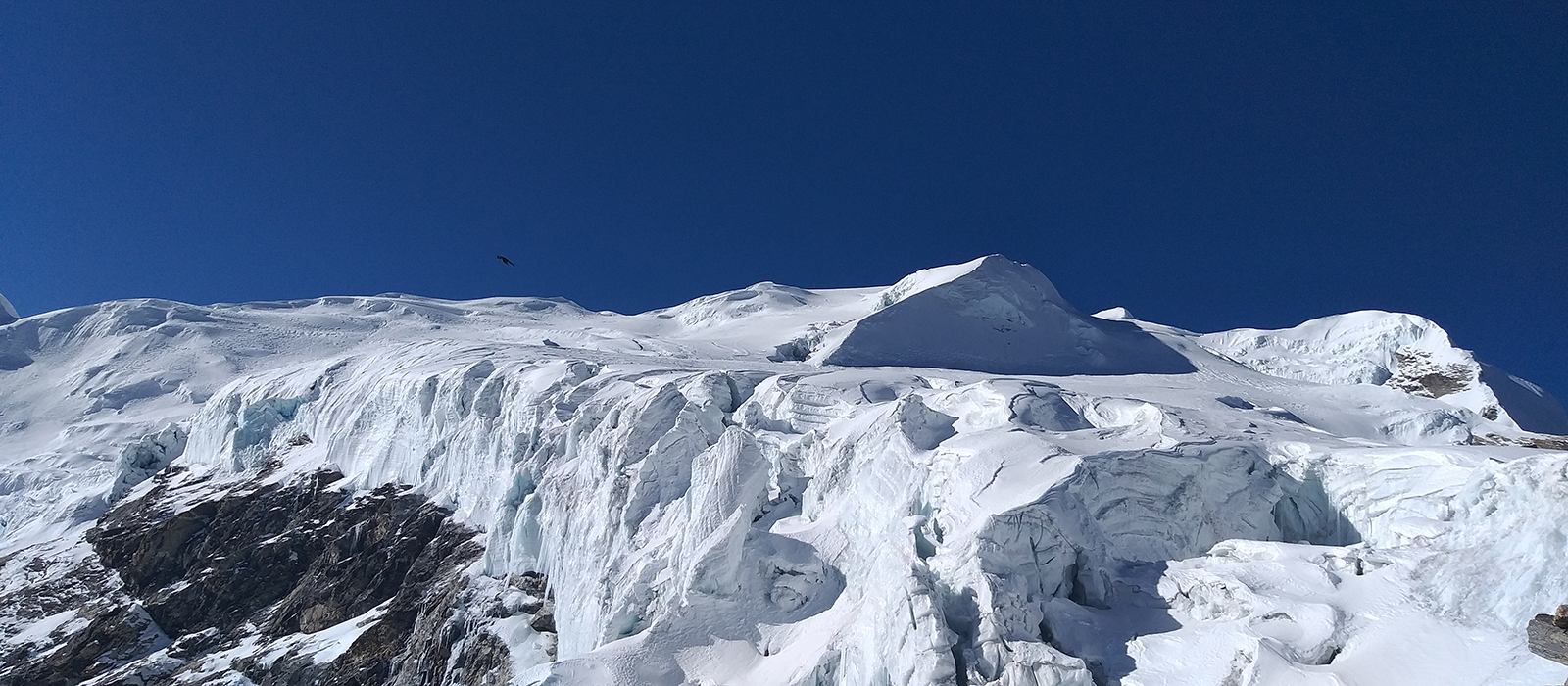
Mera Peak Climbing: Standing Atop the Highest Trekking Peak – 19 Days
The Mera Peak Climbing package is a complete 19-day trekking and climbing adventure in Nepal. It is made for trekkers who want to stand above 6,000 meters on one of Nepal’s most famous trekking peaks.
Mera Peak is commonly listed at 6,476m / 21,247ft. It is widely known as Nepal’s highest trekking peak. Recent trekking peak guides also list Mera Peak among the most popular NMA trekking peaks in Nepal.
This climb is known as “Standing Atop the Highest Trekking Peak.” It is a perfect choice for strong trekkers who want their first big Himalayan summit.
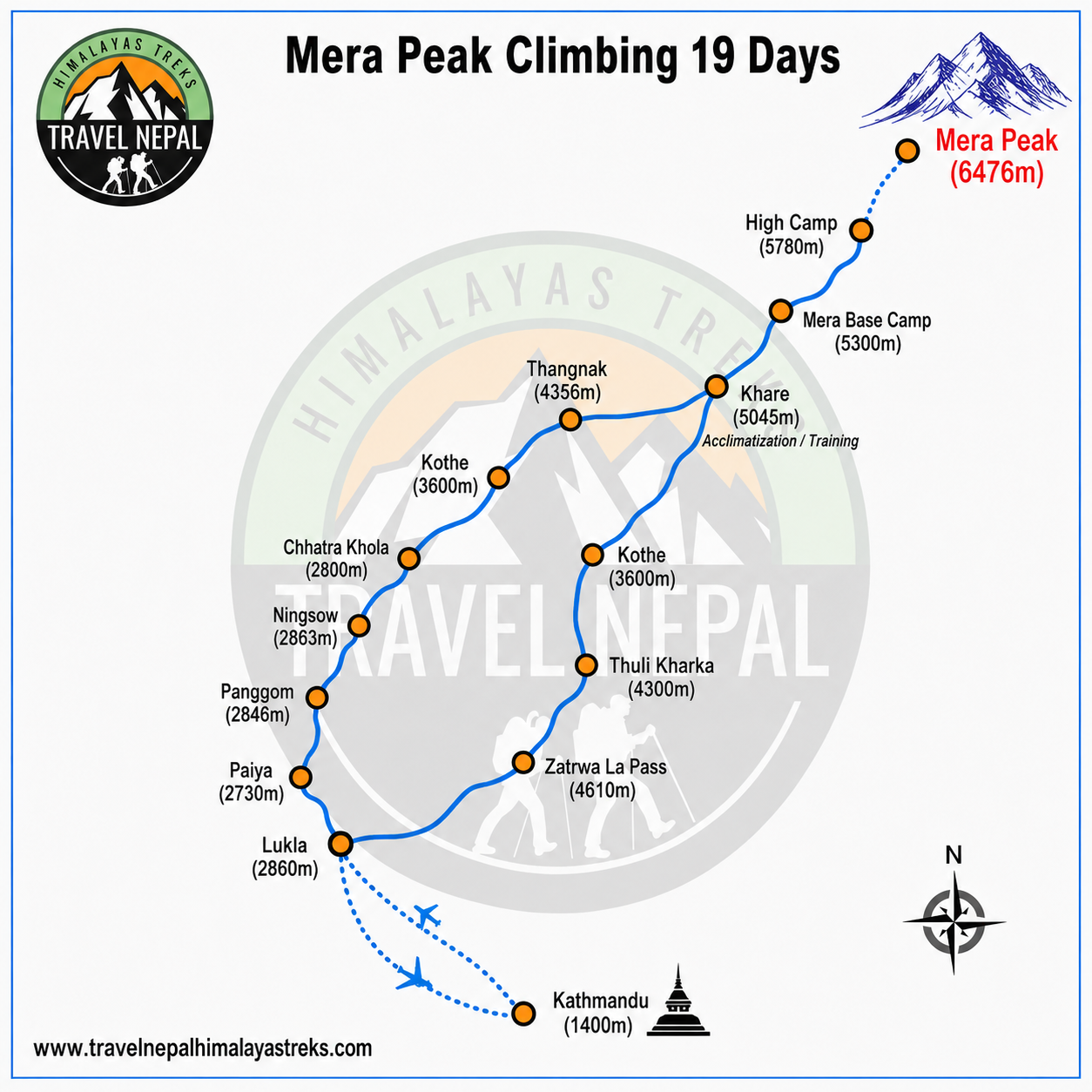
The route starts with a scenic flight to Lukla. Then, the trail leaves the busy Everest Base Camp route and enters the quieter Hinku Valley. You will trek through Paiya, Panggom, Ningsow, Chhatra Khola, Kothe, Thangnak, Khare, Mera Base Camp, and Mera High Camp.
The summit gives one of the best Himalayan panoramas in Nepal. On a clear day, climbers can see Everest, Lhotse, Makalu, Cho Oyu, Kanchenjunga, Baruntse, Chamlang, and many other peaks.
The Mera Peak Climbing – 19 Days package is suitable for fit trekkers, adventure travelers, beginner climbers, photographers, and mountaineering lovers who want a high-altitude climbing experience.
Why Choose Mera Peak Climbing?
The Mera Peak Climbing package is one of the best introductions to Himalayan mountaineering. It is less technical than many other peaks. However, it is still a serious high-altitude climb.
The climb includes glacier walking, rope travel, crampon use, ice axe handling, cold weather, and a long summit day. So, it gives a real mountain experience.
This trip is also special because the route goes through the quiet Hinku Valley. Therefore, it feels more peaceful than the main Everest Base Camp trail.
This climb is ideal for travelers looking for:
• A 19-day Mera Peak Climbing package
• A guided climb to Nepal’s highest trekking peak
• A summit above 6,000 meters
• A quieter route through the Hinku Valley
• A scenic flight to Lukla
• A trekking and climbing adventure in the Everest region
• A climb with basic mountaineering training
• A non-technical but demanding Himalayan summit
• Views of Everest, Lhotse, Makalu, Cho Oyu, and Kanchenjunga
• A strong preparation climb before bigger expeditions
• A private or group joining climbing package
• A package for travelers from the USA, Australia, Canada, Europe, Asia, and worldwide
Mera Peak Climbing Highlights
• Climb Mera Peak, commonly listed at 6,476m / 21,247ft
• Stand on one of Nepal’s highest trekking peak summits
• Enjoy views of Everest, Lhotse, Makalu, Cho Oyu, and Kanchenjunga
• Trek through the remote and beautiful Hinku Valley
• Follow a quieter route than the classic Everest Base Camp trail
• Explore Lukla, Paiya, Panggom, Kothe, Thangnak, Khare, Base Camp, and High Camp
• Learn basic climbing skills before summit day
• Practice rope travel, crampon walking, harness use, and ice axe handling
• Cross high alpine terrain, glacier sections, and snow slopes
• Experience Sherpa and Rai village culture
• Stay in tea houses during trekking and tented camp during climbing
• Complete a real Himalayan climbing adventure in 19 days
Best Time for Mera Peak Climbing
The best time for Mera Peak Climbing is spring and autumn.
Spring, from March to May, is one of the best climbing seasons. The weather is usually more stable. Also, the temperature is warmer than winter.
Autumn, from September to November, is another excellent season. After the monsoon, the sky is often clear. Therefore, mountain views are usually sharp.
Mera Peak lies in the Makalu Barun area. Nepal Tourism Board lists October–November and March–April as the best seasons for Makalu Barun National Park. It also notes that June–September is monsoon season.
Winter climbing is possible only for experienced climbers. However, it can be extremely cold.
Monsoon is less recommended. Rain, clouds, flight delays, and poor visibility can affect both trekking and climbing.
Mera Peak Climbing Difficulty
The Mera Peak Climbing package is challenging. It is not a technical expedition. However, it is harder than normal trekking.
You need strong fitness, good stamina, and mental preparation. You should be ready for long walking days, cold nights, high altitude, glacier travel, and a long summit push.
The summit day can take around 10 to 12 hours. You usually start before dawn. Then, you climb through snow and glacier terrain to the summit and return to Khare or High Camp.
You will use climbing equipment such as:
• Climbing boots
• Crampons
• Harness
• Helmet
• Ice axe
• Rope
• Ascender
• Descender
• Carabiners
• Warm summit gloves
• Down jacket
• Headlamp
Mera Peak is suitable for fit beginners with basic training. However, previous high-altitude trekking experience is highly recommended.
Mera Peak Climbing Permits
Mera Peak Climbing requires trekking and climbing permits.
For this package, travelers normally need:
• Mera Peak Climbing Permit / NMA Permit
• Makalu Barun National Park Entry Permit
• Khumbu Pasang Lhamu Rural Municipality Permit, depending on route
• TIMS Card as per current trekking rules
• Licensed trekking guide
• Licensed climbing guide
• Registered trekking and climbing agency support
Nepal Mountaineering Association is the national alpine body authorized to issue climbing permits for NMA peaks in Nepal.
Mera Peak climbing permits are normally arranged through a registered trekking or climbing agency. Agencies collect climber documents and submit the permit application on behalf of the climber.
Nepal Tourism Board lists the Makalu Barun National Park entry fee as NPR 3,000 for foreigners, NPR 1,500 for SAARC nationals, and NPR 100 for Nepali visitors. Children below 10 years are free.
Public 2026 climbing-fee guides list Mera Peak in the NMA trekking peak fee structure, and they note that fees depend on season and group size. Permit fees can change. So, your climbing agency should always confirm the latest official cost before booking.
Your agency should arrange permits, Lukla flights, trekking guide, climbing guide, lodges, base camp support, climbing gear checks, and safety planning.
Trip Itinerary
Outline Itinerary
Mera Peak Climbing 19 Days
• Day 01: Arrival in Kathmandu
• Day 02: Kathmandu preparation, gear check and permit work
• Day 03: Fly to Lukla and trek to Paiya
• Day 04: Trek from Paiya to Panggom
• Day 05: Trek from Panggom to Ningsow
• Day 06: Trek from Ningsow to Chhatra Khola
• Day 07: Trek from Chhatra Khola to Kothe
• Day 08: Trek from Kothe to Thangnak
• Day 09: Trek from Thangnak to Khare
• Day 10: Acclimatization and climbing training in Khare
• Day 11: Trek from Khare to Mera Base Camp
• Day 12: Trek from Mera Base Camp to High Camp
• Day 13: Summit Mera Peak and return to Khare
• Day 14: Contingency day for summit or weather
• Day 15: Trek from Khare to Kothe
• Day 16: Trek from Kothe to Thuli Kharka
• Day 17: Trek from Thuli Kharka to Lukla via Zatrwa La
• Day 18: Fly from Lukla to Kathmandu
• Day 19: Final Departure
Details Itinerary
Day 01: Arrival in Kathmandu
After your arrival at Tribhuvan International Airport, our representative will welcome you. Then, you will transfer to your hotel in Kathmandu.
You can rest after your flight. In the evening, your guide will give a short trip briefing.
The briefing covers the route, permits, Lukla flights, weather, altitude safety, climbing gear, and summit plan.
• Altitude: Kathmandu – 1,300m / 4,260ft
• Transfer Time: Approx. 30–45 minutes
- Lodging: Hotel in Kathmandu
- Inclusions: Welcome Dinner
Day 02: Kathmandu Preparation, Gear Check and Permit Work
Today is a preparation day in Kathmandu. Your agency will check your climbing documents and permit details.
Your guide and climbing guide will also check your trekking and climbing equipment. This includes boots, crampons, harness, helmet, sleeping bag, down jacket, gloves, and summit layers.
If anything is missing, you can rent or buy gear in Thamel.
This day is important for a safe climbing journey.
• Altitude: Kathmandu – 1,300m / 4,260ft
• Activity Time: Approx. 3–5 hours preparation
- Lodging: Hotel in Kathmandu
- Inclusions: Breakfast
Day 03: Fly to Lukla and Trek to Paiya
Early in the morning, you will fly to Lukla. During peak season, flights may operate from Manthali / Ramechhap. Your agency will confirm the final flight plan.
After landing in Lukla, you will meet the trekking crew. Then, the trail leaves the main Everest route and heads toward Paiya.
The walk passes forests, small villages, and hillside trails. This day gives a quiet start to the Mera Peak route.
• Altitude: Lukla – approx. 2,840m / 9,318ft
• Altitude: Paiya – approx. 2,730m / 8,957ft
• Flight/Trek Time: Flight approx. 30–35 minutes; trek approx. 4–5 hours
- Lodging: Tea House / Lodge
- Inclusions: Breakfast, Lunch, Dinner
Day 04: Trek from Paiya to Panggom
After breakfast, you will trek from Paiya toward Panggom. The trail includes forest paths, small villages, river crossings, and hillside sections.
You may pass traditional settlements and terraced fields along the route. Also, you will slowly move away from the busy Everest trail.
Panggom is a peaceful village with local culture and mountain surroundings.
• Altitude: Panggom – approx. 2,846m / 9,337ft
• Trek Time: Approx. 5–6 hours
- Lodging: Tea House / Lodge
- Inclusions: Breakfast, Lunch, Dinner
Day 05: Trek from Panggom to Ningsow
Today, the trail continues through forests, village paths, and quiet hills. You will walk through a remote part of the lower Hinku approach.
The route includes both climbs and descents. So, steady pacing is important.
Ningsow is a small settlement on the way to the deeper Hinku Valley.
• Altitude: Ningsow – approx. 2,863m / 9,393ft
• Trek Time: Approx. 5–6 hours
- Lodging: Tea House / Lodge
- Inclusions: Breakfast, Lunch, Dinner
Day 06: Trek from Ningsow to Chhatra Khola
After breakfast, you will trek toward Chhatra Khola. The trail passes through forests, ridges, and remote mountain landscapes.
You may walk through Ramailo Danda area, depending on the route plan. From some sections, you can see beautiful views of the surrounding hills and peaks.
The route feels quieter and more adventurous each day.
• Altitude: Chhatra Khola – approx. 2,800m / 9,186ft
• Trek Time: Approx. 6–7 hours
- Lodging: Tea House / Lodge
- Inclusions: Breakfast, Lunch, Dinner
Day 07: Trek from Chhatra Khola to Kothe
Today, you will enter deeper into the Hinku Valley. The trail follows forested paths, river valleys, and peaceful terrain.
You will walk near the Hinku Khola and pass through beautiful natural surroundings.
Kothe is an important stop on the Mera Peak route. It is also a good place to rest before gaining more altitude.
• Altitude: Kothe – approx. 3,600m / 11,811ft
• Trek Time: Approx. 6–7 hours
- Lodging: Tea House / Lodge
- Inclusions: Breakfast, Lunch, Dinner
Day 08: Trek from Kothe to Thangnak
After breakfast, the trail follows the Hinku Khola toward Thangnak. The landscape becomes more alpine as you go higher.
You will see mountain views, yak pastures, and open valley scenery. Also, the air becomes cooler.
Thangnak is a small settlement used by climbers and trekkers heading toward Khare and Mera Peak.
• Altitude: Thangnak – approx. 4,350m / 14,272ft
• Trek Time: Approx. 5–6 hours
- Lodging: Tea House / Lodge
- Inclusions: Breakfast, Lunch, Dinner
Day 09: Trek from Thangnak to Khare
Today, you will trek from Thangnak to Khare. The trail climbs through high alpine terrain with glacier and mountain views.
You should walk slowly because the altitude is higher now. Drinking enough water is also important.
Khare is the main village before Mera Peak Base Camp. It is also the main place for acclimatization and climbing preparation.
• Altitude: Khare – approx. 5,045m / 16,552ft
• Trek Time: Approx. 4–5 hours
- Lodging: Tea House / Lodge
- Inclusions: Breakfast, Lunch, Dinner
Day 10: Acclimatization and Climbing Training in Khare
Today is an important acclimatization and training day in Khare.
Your climbing guide will check your health and gear. Then, you will practice basic climbing skills.
Training may include rope walking, crampon use, ice axe handling, harness use, ascender use, descender use, and safety commands.
This day helps your body adjust before Base Camp, High Camp, and summit day.
• Altitude: Khare – approx. 5,045m / 16,552ft
• Activity Time: Approx. 2–4 hours training and rest
- Lodging: Tea House / Lodge
- Inclusions: Breakfast, Lunch, Dinner
Day 11: Trek from Khare to Mera Base Camp
After breakfast, you will trek from Khare to Mera Base Camp. The route climbs through rocky and icy terrain.
You may cross sections near Mera La depending on route and conditions. The views become wide and dramatic.
After reaching Base Camp, your climbing team will set up camp and prepare for the next day.
• Altitude: Mera Base Camp – approx. 5,300m / 17,388ft
• Trek Time: Approx. 4–5 hours
- Lodging: Tented Camp
- Inclusions: Breakfast, Lunch, Dinner
Day 12: Trek from Mera Base Camp to High Camp
Today, you will climb from Base Camp to Mera High Camp. This is one of the most scenic days of the climb.
The route moves across snow, ice, and high mountain terrain. You will use climbing gear if conditions require.
High Camp offers stunning views of Everest, Makalu, Baruntse, Chamlang, and other peaks.
You will rest early because summit day begins before dawn.
• Altitude: Mera High Camp – approx. 5,780m / 18,963ft
• Trek Time: Approx. 4–5 hours
- Lodging: Tented Camp
- Inclusions: Breakfast, Lunch, Dinner
Day 13: Summit Mera Peak and Return to Khare
Today is the main summit day. You will start very early, usually before dawn.
The route climbs across glacier and snow terrain. You will move slowly with your climbing guide and team.
The final section may require rope support depending on conditions. After reaching the summit, you can enjoy one of the best Himalayan panoramas in Nepal.
You may see Everest, Lhotse, Makalu, Cho Oyu, Kanchenjunga, Baruntse, and Chamlang on a clear day.
After the summit, you will descend carefully to High Camp or Base Camp. Then, you continue back to Khare.
• Altitude: Mera Peak Summit – commonly listed at 6,476m / 21,247ft
• Altitude: Khare – approx. 5,045m / 16,552ft
• Climb/Trek Time: Approx. 10–12 hours
- Lodging: Tea House / Lodge
- Inclusions: Breakfast, Lunch, Dinner
Day 14: Contingency Day for Summit or Weather
This day is kept as a reserve day for weather, route condition, or group health.
If the summit was successful on Day 13, you can rest in Khare. If the weather was bad, this day can be used for another summit attempt.
A contingency day is very useful for climbing trips because mountain weather can change quickly.
Your climbing guide will make the final safety decision.
• Altitude: Khare / Mera climbing area
• Activity: Rest, reserve day, or summit attempt
- Lodging: Tea House / Lodge or Tented Camp
- Inclusions: Breakfast, Lunch, Dinner
Day 15: Trek from Khare to Kothe
After breakfast, you will begin the return journey. The trail descends from Khare through Thangnak and the upper Hinku Valley.
As you go lower, breathing becomes easier. However, the descent can still be long.
After reaching Kothe, you can rest at the lodge and enjoy warmer air.
• Altitude: Kothe – approx. 3,600m / 11,811ft
• Trek Time: Approx. 6–7 hours
- Lodging: Tea House / Lodge
- Inclusions: Breakfast, Lunch, Dinner
Day 16: Trek from Kothe to Thuli Kharka
Today, you will trek from Kothe toward Thuli Kharka. The trail climbs through forests, ridges, and quiet mountain paths.
This day can feel demanding because you regain altitude. However, the route gives beautiful views and peaceful surroundings.
Thuli Kharka is an important stop before crossing back toward Lukla.
• Altitude: Thuli Kharka – approx. 4,300m / 14,108ft
• Trek Time: Approx. 6–7 hours
- Lodging: Tea House / Lodge
- Inclusions: Breakfast, Lunch, Dinner
Day 17: Trek from Thuli Kharka to Lukla via Zatrwa La
Today is the final walking day of the trek. You will cross the Zatrwa La area and descend toward Lukla.
The pass area can be windy, snowy, or cold depending on the season. Therefore, you should follow your guide carefully.
After crossing the high section, the trail descends toward Lukla. Reaching Lukla is a big achievement after the Mera Peak climb.
In the evening, you can celebrate with your trekking and climbing team.
• Altitude: Zatrwa La area – approx. 4,600m / 15,092ft
• Altitude: Lukla – approx. 2,840m / 9,318ft
• Trek Time: Approx. 6–8 hours
- Lodging: Tea House / Lodge
- Inclusions: Breakfast, Lunch, Dinner
Day 18: Fly from Lukla to Kathmandu
Early in the morning, you will fly from Lukla to Kathmandu or Manthali. This depends on flight operation.
If the flight lands in Manthali, you will drive back to Kathmandu. After arrival, you will transfer to your hotel.
The rest of the day is free. You can rest, shop, return rental gear, or enjoy a short walk around Thamel.
In the evening, you can enjoy a farewell dinner with the team.
• Altitude: Kathmandu – 1,300m / 4,260ft
• Flight/Drive Time: Flight approx. 30–35 minutes; Manthali drive may take approx. 4–5 hours
- Lodging: Hotel in Kathmandu
- Inclusions: Breakfast, Farewell Dinner
Day 19: Final Departure
Your 19 Days Mera Peak Climbing package ends today. Our team will transfer you to Tribhuvan International Airport for your final departure.
You can also extend your stay in Nepal. Popular options include Kathmandu sightseeing, Chitwan tour, Pokhara tour, Everest Base Camp Trek, Island Peak Climbing, Lobuche East Peak Climbing, Bhutan tour, or Tibet tour.
• Altitude: Kathmandu – 1,300m / 4,260ft
• Transfer Time: Approx. 30–45 minutes
- Lodging: Not Included
- Inclusions: Breakfast
Cost Details
Cost Includes
• Airport arrival and departure transfer
• Hotel accommodation in Kathmandu as per itinerary
• Tea house / lodge accommodation during trekking days
• Tented camp accommodation at Mera Base Camp and High Camp
• Breakfast in Kathmandu
• Breakfast, lunch, and dinner during trekking and climbing days
• Licensed trekking guide
• Licensed climbing guide for Mera Peak
• Trekking staff support as per group size
• Porter support as per package policy
• Climbing support staff as per package policy
• Mera Peak Climbing Permit assistance
• Makalu Barun National Park permit assistance
• Khumbu Pasang Lhamu Rural Municipality permit assistance, if required
• TIMS Card assistance as per current rules
• Kathmandu / Manthali to Lukla flight assistance
• Lukla to Kathmandu / Manthali flight assistance
• Ground transfer if Lukla flights operate from Manthali
• Group climbing equipment as per package policy
• Fixed rope and route support where required
• Basic climbing training in Khare
• Basic first aid support
• High-altitude safety guidance
• Climbing safety briefing
• Contingency day support as per itinerary
• Farewell dinner in Kathmandu
• Government taxes and official service charges as per package policy
Cost Excludes
• International airfare
• Nepal visa fee
• Personal climbing equipment
• Personal trekking equipment
• Climbing boots, down suit, sleeping bag, crampons, ice axe, harness, helmet, ascender, descender, and carabiners unless included
• Lunch and dinner in Kathmandu unless mentioned
• Drinks, snacks, hot shower, Wi-Fi, battery charging, and personal expenses during trek
• Travel insurance with high-altitude climbing and helicopter evacuation coverage
• Tips for guide, climbing guide, porter, and climbing staff
• Extra hotel nights caused by early arrival, late departure, flight delay, or weather condition
• Extra cost caused by Lukla flight delay, cancellation, rerouting, or helicopter upgrade
• Extra climbing permit cost caused by itinerary extension
• Additional cost caused by snow, storm, route change, political strike, road blockage, or natural events
• Emergency rescue, medical treatment, helicopter evacuation, or insurance claim cost
• Any cost caused by itinerary change due to altitude sickness, weather, or climbing condition
• Any cost not mentioned in the Cost Includes section
FAQ
Mera Peak Climbing
How difficult is Mera Peak Climbing?
Mera Peak Climbing is challenging. It is less technical than many climbing peaks. However, the altitude, glacier walking, cold weather, and long summit day make it demanding.
How many days is this Mera Peak Climbing package?
This is a 19-day Mera Peak Climbing package. It includes arrival, preparation, trekking through Hinku Valley, climbing training, summit day, contingency day, return to Kathmandu, and final departure.
How high is Mera Peak?
Mera Peak is commonly listed at 6,476m / 21,247ft. Some technical sources distinguish between Mera Central and Mera North elevations. Most commercial climbing packages use 6,476m for the Mera Peak summit.
Is Mera Peak the highest trekking peak in Nepal?
Yes. Mera Peak is widely promoted as Nepal’s highest trekking peak. It is one of the most popular NMA trekking peak climbs in Nepal.
Do I need climbing experience for Mera Peak?
Previous climbing experience is helpful but not always required. However, you need strong fitness, basic climbing training, and previous high-altitude trekking experience.
Is Mera Peak more difficult than Island Peak?
Mera Peak is higher than Island Peak. However, Island Peak is often considered more technical. Mera Peak is usually less technical but more demanding in altitude.
What is the best time for Mera Peak Climbing?
The best time is spring from March to May and autumn from September to November. These seasons usually offer better weather and safer climbing conditions.
Do I need permits for Mera Peak Climbing?
Yes. You need a Mera Peak Climbing Permit, Makalu Barun National Park Entry Permit, local entry permit if required, and TIMS Card as per current rules.
Is a climbing guide required for Mera Peak?
Yes. A licensed climbing guide is required for safety, route finding, rope work, glacier travel, weather decisions, and summit management.
What mountains can I see from Mera Peak?
On a clear day, you can see Everest, Lhotse, Makalu, Cho Oyu, Kanchenjunga, Baruntse, Chamlang, and many other Himalayan peaks.
What kind of accommodation is available?
Accommodation is in hotels in Kathmandu, tea houses during trekking, and tented camp at Mera Base Camp and High Camp.
Do I need travel insurance?
Yes. Travel insurance is required and strongly recommended. It should cover climbing above 6,000 meters, medical care, trip delay, and helicopter evacuation.
What climbing gear do I need?
You need climbing boots, crampons, ice axe, helmet, harness, ascender, descender, carabiners, down jacket, warm gloves, headlamp, and high-altitude clothing.
Can I rent climbing gear in Kathmandu?
Yes. Many climbing items can be rented or bought in Kathmandu. However, personal boots and essential clothing layers should be tested before the trip.
What happens if the weather is bad on summit day?
The itinerary includes a contingency day. If the weather is bad, your climbing guide may delay the summit attempt or adjust the plan for safety.
Can travelers from USA, Australia, Canada, and Europe book this climb?
Yes. Travelers from the USA, Australia, Canada, Europe, Asia, and worldwide can book this climb as a private or group joining package.
Can I book a private Mera Peak Climbing package?
Yes. This climb can be arranged as a private guided package. It can be customized based on your date, budget, fitness level, and climbing experience.
Can I customize this 19-day itinerary?
Yes. You can add extra acclimatization days, add Amphu Lapcha Pass, add Island Peak, add Everest Base Camp, or add helicopter return after the climb.
Route Map
Gallery
Client Reviews
Mitchedberg
Vicky S
Date of experience: March 2025
Clare B
Date of experience: March 2025
An amazing experience – went trekking with 14 others in March / April 2025 and had a wonderful time. A big thank you to Badri and his crew for taking care of every logistical detail; flights, hotels, transportation in Kathmandu, transportation to and from the airport, money exchanges, restaurant reservations, sightseeing, optimal route pacing, gear transportation, and 100 other small details that would have left me flummoxed.
He and his team allow for a trek that’s as simplified as possible, you can focus your energy on getting to base camp, and they do everything else. They even bring you hot towels and lemon ginger tea at the end of each day (every morning too). I can’t say enough good things about the porters / guides, they were unbelievable, true heroes of our trip. We had some very unique challenges in our group, and without expert guides and porters we would absolutely not have had the same high quality experience. When I go back to Nepal for a second trek, I’m calling Badri. Badri is the guide you want – generous, personal, and you can tell he and his team deeply care about the well-being of their clients.
One more thing: Not once, but twice, Badri got our entire group flown from Kathmandu to Lukla (and back) on days when the weather was uncooperative. Both times, there was only a brief window when the clouds cleared — just enough for a single plane to make the journey — and guess whose plane was first in line? Even more impressive: while we were waiting at the airport, Badri already had a backup helicopter option lined up, just in case the planes didn’t fly. This kind of foresight and preparation gave us total peace of mind.