The Day a Hundred People Missed Their Flight Out of Lukla — and We Didn’t
It was October 2023, near the end of an Everest Base Camp trek. I had an international flight home in two days. That’s a tight margin in the Khumbu under the best of conditions — and these were not the best of conditions. This is exactly when the right trekking company counts the most.
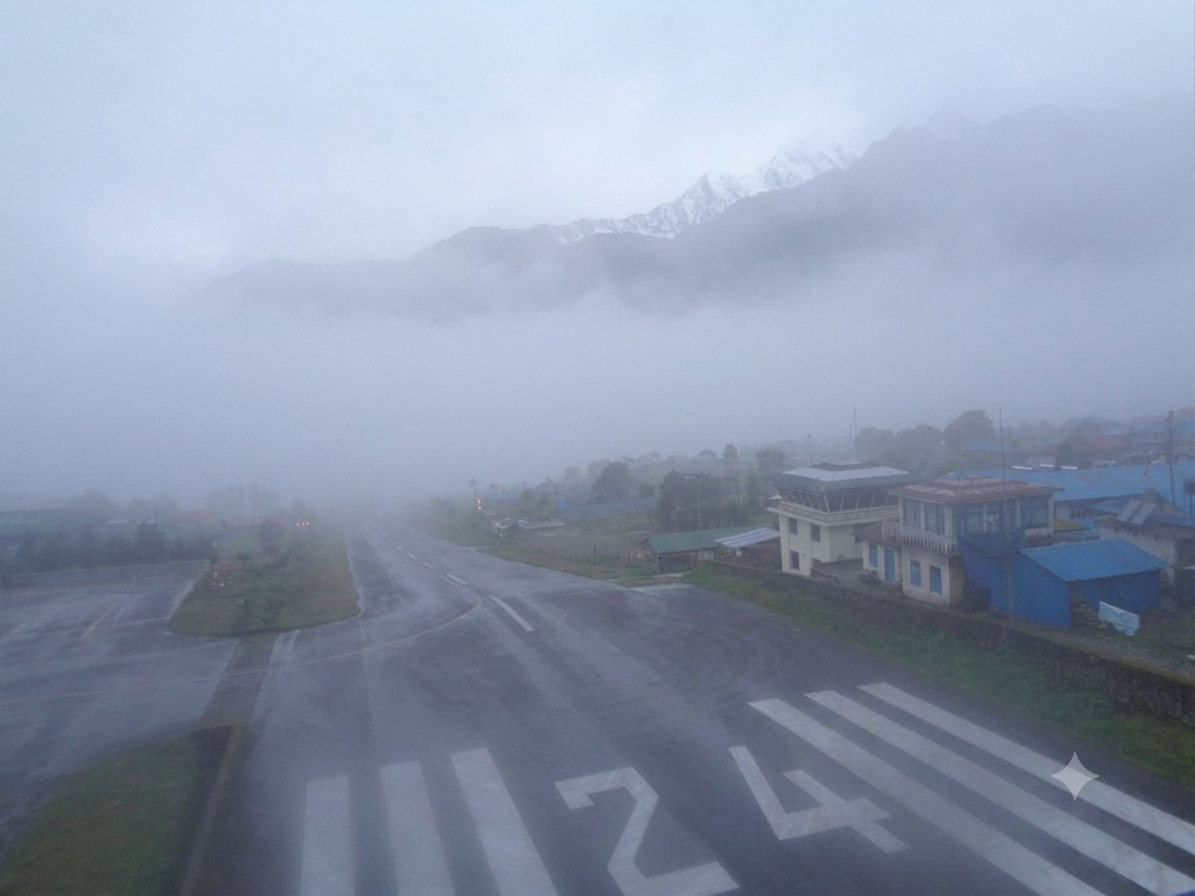
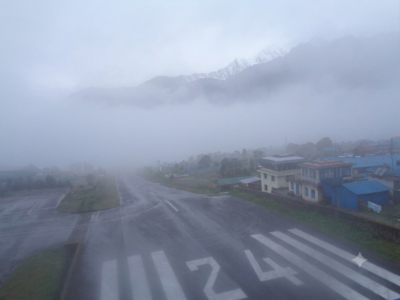
Lukla’s Tenzing-Hillary Airport has a reputation for a reason. Forbes has called it the world’s most dangerous airport, and once you’ve seen the runway — short, sloped, carved into a mountainside with nothing but a drop on one end — you understand why. On a good day, flights in and out are routine. On a bad day, nothing moves.
This was a bad day. The clouds had rolled in and sealed off the valley, and the forecast for the next several days looked just as bad. Every flight out of Lukla was cancelled. Not delayed — cancelled, with no real end in sight.
Why a Cancellation Can Cost You a Week, Not a Day
Here’s what most people don’t realize about a Lukla cancellation: a new seat doesn’t just open up for you. You go on standby behind everyone who already held a ticket for that day. Once the weather breaks, the airlines fly out the people who were scheduled first — then the next day’s group, then the next. If the skies clear in a day, you might only lose a day. If bad weather holds for two or three days while you’re already two days back in line, you can lose a week or more before a seat ever reaches you.
I’ve seen just how bad that can get. On an earlier trek, Lukla set a new record for consecutive days with no flights at all — eight days straight, with the backlog growing every single one of them. It turned into a serious problem fast. Lukla’s teahouses and lodges simply don’t carry enough supplies to feed hundreds of stranded trekkers for over a week, and food ran short.
Sometimes, when the fixed-wing flights can’t get in, a helicopter can still thread its way through. Not this time. The weather was bad enough that even that backup option was off the table, at least from Lukla itself.
Badri Pant is our Nepal-based operations lead — he’s the one who actually runs things on the ground, with more than 20 years in the Himalayas. On this trip, he wasn’t just my guide. He was the reason this story has the ending it does.
Badri made one call.
A Hundred People, One Helicopter Pad
The next morning, we hiked two hours below the cloud line to a small helicopter pad — lower down, under the ceiling that was grounding everything above it. When we got there, the scene told you everything you needed to know about how bad the situation was: well over a hundred people, all stranded, all trying to get out the same way we were. Helicopters were booked solid for days. People had been waiting there for who knows how long, watching the sky.
And then we arrived, and there was a helicopter sitting on the pad. Just sitting there. The pilot was having a cup of tea, waiting — for us, and for one other couple.
We walked past a hundred people who’d been stuck there for days, got in, and took off. I remember the looks. I think some of them assumed we had to be VIPs of some kind. We weren’t. It was Badri.
When the Right Trekking Company Counts Most
Here’s the part that matters most: every one of those hundred-plus people had a guide too. This wasn’t a case of licensed versus unlicensed, prepared versus unprepared. They’d all done everything right. They all had the same box checked that every trekking company advertises — “licensed guide included.” A guide gets you onto the trail and keeps you safe on it. It doesn’t get you a helicopter when a hundred other guides are standing in the exact same line, making the exact same calls, to the exact same limited number of operators. Something else has to be different. For us, that difference was twenty years of Badri actually being there, knowing the right people, and having them know him back.
It’s the kind of thing you don’t think about when you’re comparing trekking packages online. Every company will tell you they have a guide, a porter, permits, all the boxes checked. What’s much harder to see from a website is what happens when the boxes stop mattering — when the weather closes in and it comes down to whether the person running your trip actually has relationships on the ground, or just a phone number for a dispatcher.
My travel insurance covered the added cost of the helicopter — but no policy on earth could have gotten me a seat on it. That’s not something you can buy after the fact. It’s something you have to book before you ever need it, by choosing who you trek with in the first place. (Curious what happens if your own Lukla flight gets delayed or cancelled? We cover that here.)
Travel Blogs
Stay Informed about travel information and latest updates
The Day a Hundred People Missed Their Flight Out of Lukla — and We Didn’t
It was October 2023, near the end of an Everest Base Camp trek. I had an international flight home in two days. That's a tight…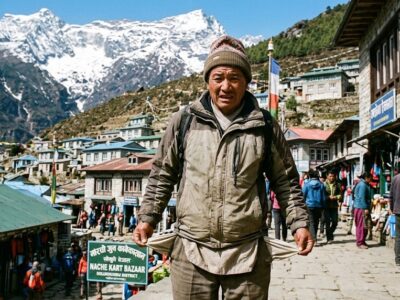
The Real Truth Behind Nepal Trekking Company Pricing
Nepal trekking company pricing is confusing by design — and that confusion costs people more than money. I've trekked Nepal four times — Everest Base…