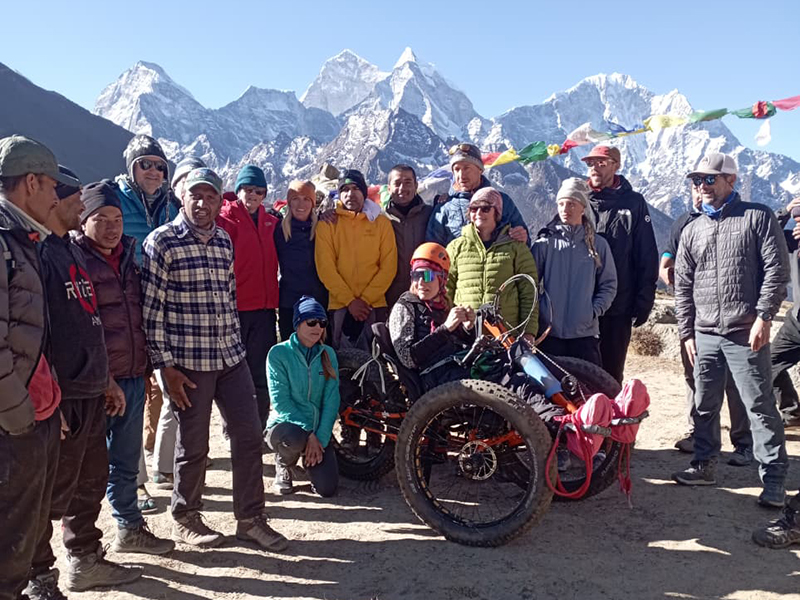
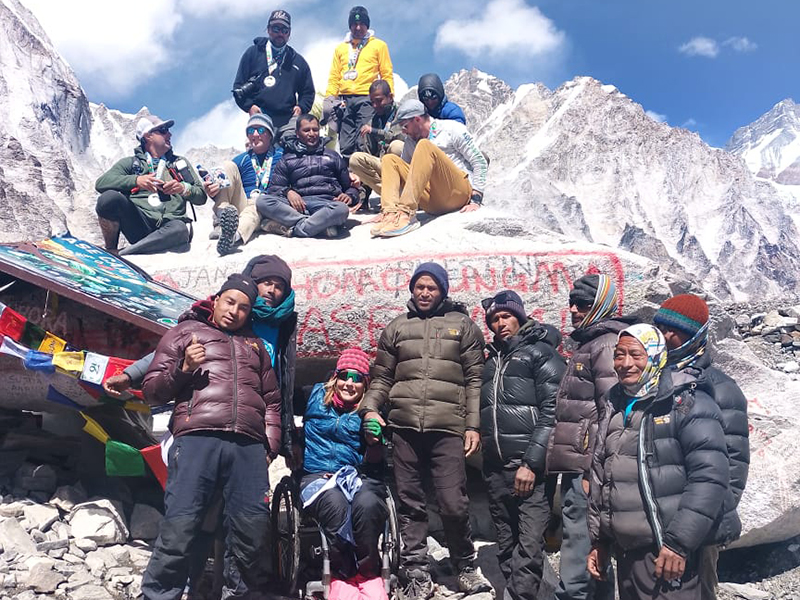
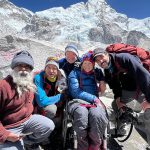
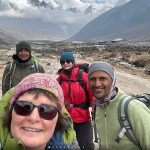
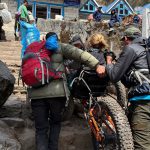
An incredible hike with an amazing group of people. Badri managed to get us in and out of Lukla on days when we thought flights may not be possible and he tried his very best to accommodate the needs of the group. The team of porters supporting Karen Darke were out of this world and did an incredible job, with big smiles. Wonderful people. The trek itself was incredible and we had fantastic weather during the whole trip. Although the ‘B Team’ snail ed it, we had an excellent adventure thanks to Badri and his very supportive team.
Teahouse Treks
Authentic Nepal Trekking
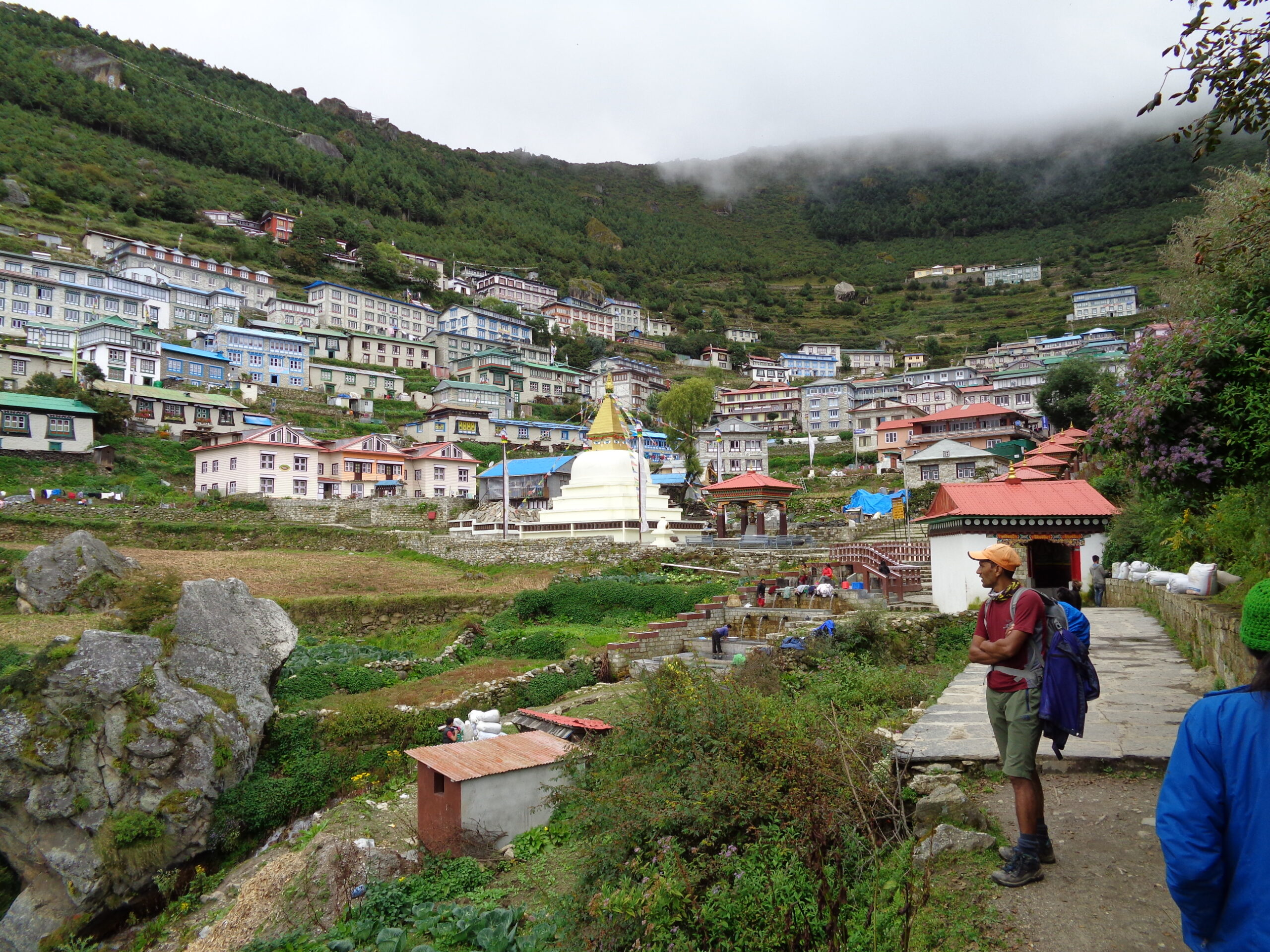
Everest Base Camp Budget Trek Overview
This is the Everest Base Camp Budget Trek for travelers who like to take a hands-on approach to their adventures. You arrange your own flights to and from Lukla — the start and end point of the trek — and we take care of everything else when you arrive. It is a perfect fit for independent-minded trekkers who are comfortable organizing their own transport and want to keep costs lean without compromising on the quality of their guiding and support.
The Everest Base Camp Budget Trek is a classic 12-day trekking adventure in Nepal that takes you into the heart of the Khumbu region, home to the world’s highest mountain, Mount Everest. This is one of the most legendary trekking routes on Earth.
The trek is known as “Journey to the Roof of the World.” It combines stunning mountain scenery with rich Sherpa culture, passing through ancient Buddhist monasteries, high suspension bridges, and glacial valleys. The trail winds through rhododendron forests, remote mountain villages, and Sagarmatha National Park, a UNESCO World Heritage Site.
Along the way, you walk in the footsteps of Sir Edmund Hillary and Tenzing Norgay Sherpa. You meet the legendary Sherpa people, known for their strength, warmth, and hospitality, visit Namche Bazaar — the gateway to the Everest region — and pass through Tengboche Monastery, one of the most breathtaking settings of the entire trek.
The Nepal Tourism Board recommends the Everest Base Camp Trek as one of Nepal’s premier trekking experiences. Around 35,000 trekkers visit Everest Base Camp every year, and the trail is well established with reliable tea house accommodation and local support throughout.
The Trekking Route
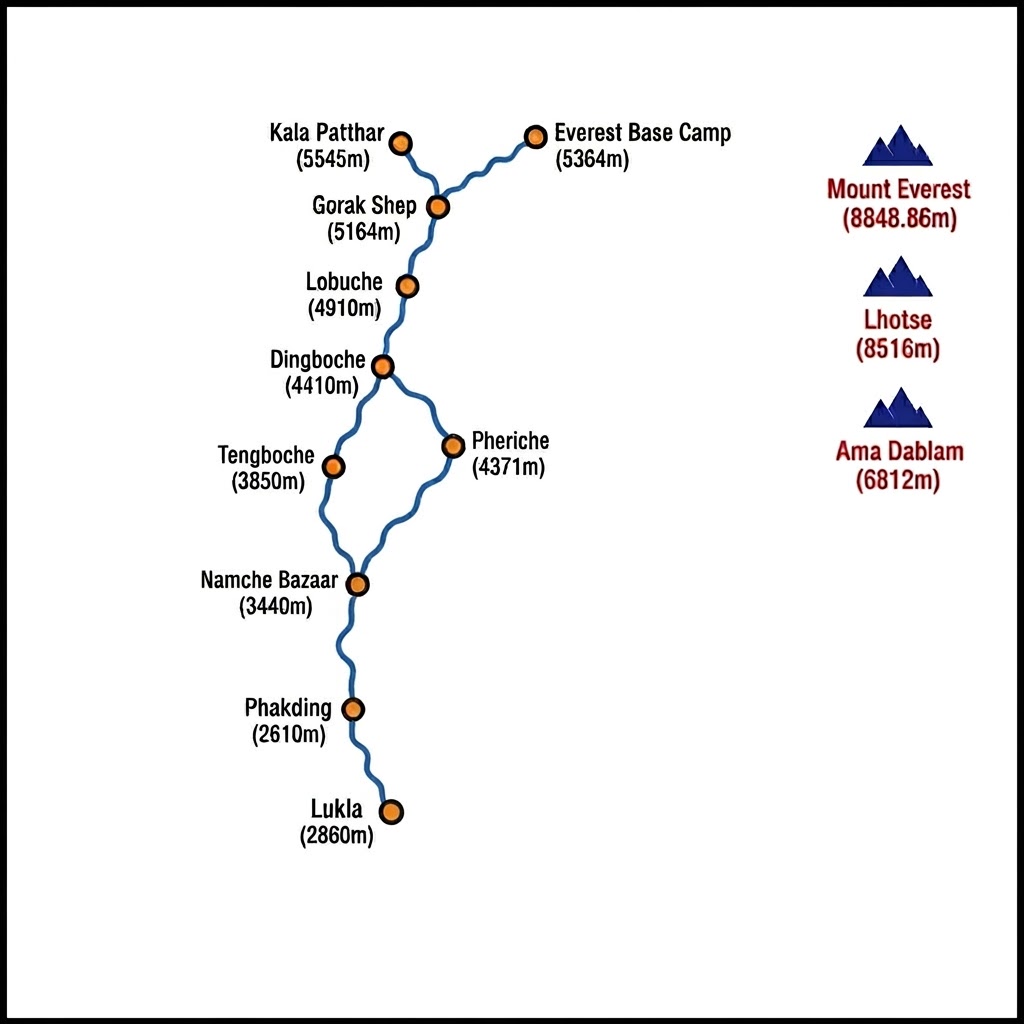
The trek starts the moment you land in Lukla — getting there is your own adventure. Your guide will be waiting at the airstrip to meet you, and from that moment the trail is in their hands. It drops into the Dudh Koshi River valley and follows it north through Phakding, Namche Bazaar, and Tengboche before pushing higher to Dingboche, Lobuche, Gorak Shep, and finally Everest Base Camp itself.
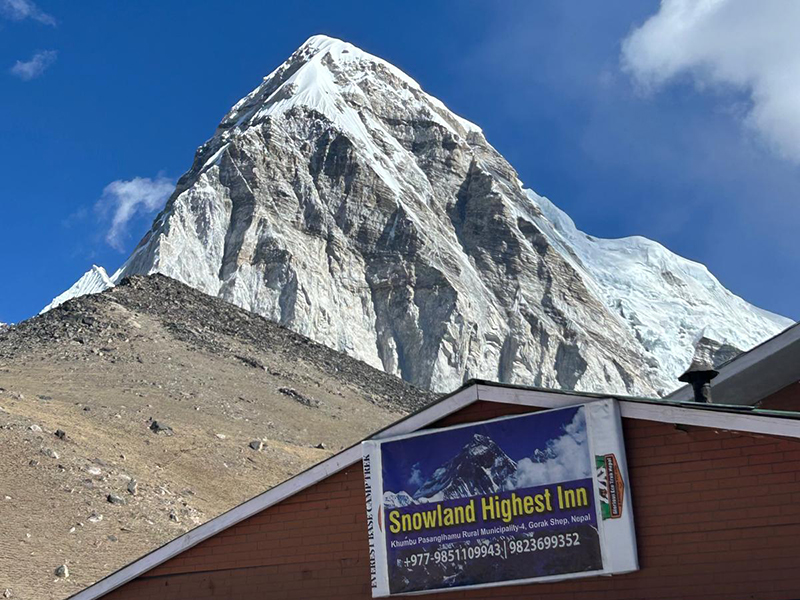
The highest sleeping point is Gorak Shep at around 5,164m. The main trekking goal is Everest Base Camp at around 5,364m. The highest viewpoint is Kala Patthar at around 5,545m. From there, trekkers enjoy one of the best close-up views of Mount Everest, along with Lhotse, Nuptse, Ama Dablam, and Pumori.
This trek suits more experienced hikers and adventure travelers who are physically fit. It also welcomes photographers and mountain lovers. Furthermore, travelers from the USA, Australia, Canada, Europe, Asia, and worldwide join this trek every year.
If you prefer to have every detail taken care of — flights, transfers, Kathmandu accommodation, and full support from arrival to departure — our fully inclusive Everest Base Camp Trek is the one for you.
Trip Itinerary
Outline Itinerary
- Day 01: Fly to Lukla and Trek to Phakding
- Day 02: Trek from Phakding to Namche Bazaar
- Day 03: Acclimatization Day in Namche Bazaar
- Day 04: Trek from Namche Bazaar to Tengboche
- Day 05: Trek from Tengboche to Dingboche
- Day 06: Acclimatization Day in Dingboche
- Day 07: Trek from Dingboche to Lobuche
- Day 08: Trek to Gorak Shep and Visit Everest Base Camp
- Day 09: Hike to Kala Patthar and Trek to Pheriche
- Day 10: Trek from Pheriche to Namche Bazaar
- Day 11: Trek from Namche Bazaar to Lukla
- Day 12: Fly from Lukla to Kathmandu
Details Itinerary
Day 01: Arrival in Lukla
Your trek begins in Lukla — and getting there is your own arrangement. Whether you fly from Kathmandu or Manthali / Ramechhap during peak season, our team is happy to advise on booking if needed.
After landing, your trekking crew will be waiting at the airstrip to meet you — guide, porters, and support staff ready to go. From that moment, the trail begins. The first walking day is intentionally gentle, easing you into the rhythm of the trek with a pleasant walk through green hillsides, traditional villages, prayer wheels, and mani walls carved with ancient Buddhist scripture.
This short first day is about adjustment — letting the mountain air, the altitude, and the pace of Khumbu life settle around you. But make no mistake. The Himalayas are already all around you, and the adventure has well and truly begun.
- Altitude: Lukla – approx. 2,840m / 9,318ft | Phakding – approx. 2,610m / 8,563ft
- Flight / Trek Time: Flight approx. 30–35 minutes | Trek approx. 3–4 hours
- Lodging: Tea House / Lodge
- Inclusions: Lunch, Dinner
Day 02: Trek from Phakding to Namche Bazaar
After breakfast, you will follow the Dudh Koshi River valley on one of the most scenic stretches of the entire trek. The trail crosses several iconic suspension bridges and passes through villages such as Monjo and Jorsale — each one a window into traditional Sherpa mountain life.
You will enter Sagarmatha National Park near Monjo, a UNESCO World Heritage Site. After the permit check, the trail climbs steeply toward Namche Bazaar. On a clear day, you may catch your very first distant glimpse of Mount Everest — a moment that stops trekkers in their tracks every single time.
Namche Bazaar is the beating heart of the Khumbu region. It has lodges, shops, bakeries, cafés, and mountain views that will take your breath away. Welcome to the Everest region.
• Altitude: Namche Bazaar – approx. 3,440m / 11,286ft
• Trek Time: Approx. 5–6 hours
- Lodging: Tea House / Lodge
- Inclusions: Breakfast, Lunch, Dinner
Day 03: Acclimatization Day in Namche Bazaar
Today is an acclimatization day in Namche Bazaar. Rest does not mean staying in your lodge all day. Instead, you will take a short hike to help your body adjust and prepare for what lies ahead.
You may hike to Everest View Hotel, Syangboche, Khumjung, or Khunde. These places offer stunning views of Everest, Lhotse, Ama Dablam, Thamserku, and other peaks. This is your first real taste of the Himalayan giants — and it will leave you hungry for more.
After the hike, you will return to Namche. You can rest, explore the market, and prepare for the next trekking day.
• Altitude: Namche Bazaar – approx. 3,440m / 11,286ft
• Activity Time: Approx. 3–4 hours light hike
- Lodging: Tea House / Lodge
- Inclusions: Breakfast, Lunch, Dinner
Day 04: Trek from Namche Bazaar to Tengboche
After breakfast, the trail leaves Namche and follows a spectacular hillside route. This section rewards you with sweeping views of Everest, Lhotse, Ama Dablam, and Thamserku — a mountain panorama that few places on Earth can match.
The trail descends toward Phunki Tenga, then climbs through fragrant pine and rhododendron forests to Tengboche. Perched high above the valley with Ama Dablam rising dramatically behind it, Tengboche Monastery is one of the most photographed and most spiritual spots in all of Nepal. Standing here, with the mountains all around you and the sound of monks chanting inside the monastery walls, is an experience that stays with you long after the trek is over.
• Altitude: Tengboche – approx. 3,860m / 12,664ft
• Trek Time: Approx. 5–6 hours
- Lodging: Tea House / Lodge
- Inclusions: Breakfast, Lunch, Dinner
Day 05: Trek from Tengboche to Dingboche
Today, the landscape begins to change in a way that signals you are entering serious high-altitude territory. The trail descends from Tengboche through forest and crosses the Imja Khola, passing through the villages of Deboche and Pangboche.
As you climb higher, the trees thin out and the air grows cooler. The views of Ama Dablam, Lhotse, and the surrounding peaks become more dramatic with every step. Dingboche is a stunning high-altitude village that feels remote, wild, and completely unlike anywhere you have ever been. It is also a critical acclimatization stop — your body is preparing itself for what lies ahead.
• Altitude: Dingboche – approx. 4,410m / 14,469ft
• Trek Time: Approx. 5–6 hours
- Lodging: Tea House / Lodge
- Inclusions: Breakfast, Lunch, Dinner
Day 06: Acclimatization Day in Dingboche
Another acclimatization day — and another chance to push a little higher while letting your body catch up. At over 4,000 meters, this day is not optional. It is one of the most important days of the entire trek.
You will hike to Nangkartshang Hill or a nearby viewpoint. The effort is rewarded with jaw-dropping views of Ama Dablam, Makalu, Lhotse, Island Peak, and the vast Imja Valley spreading out below you. This is the kind of scenery that makes you stop walking just to stare.
After the hike, return to Dingboche, rest well, drink plenty of water, and get ready. Everest Base Camp is now just two days away.
• Altitude: Dingboche – approx. 4,410m / 14,469ft
• Activity Time: Approx. 3–5 hours light hike
- Lodging: Tea House / Lodge
- Inclusions: Breakfast, Lunch, Dinner
Day 07: Trek from Dingboche to Lobuche
After breakfast, the trail climbs gradually above Dingboche. You will walk through open alpine land with sweeping views of Pheriche Valley and the surrounding peaks.
The route passes Thukla, then climbs to the climbers memorial — a moving and humbling tribute to those who gave their lives on Everest. It is a quiet place that reminds you of the mountain’s raw power and commands deep respect.
From there, the trail continues to Lobuche, a small high-altitude settlement on the edge of the Khumbu Glacier. The air is thin, the landscape is stark, and Everest Base Camp is now within reach.
• Altitude: Lobuche – approx. 4,910m / 16,109ft
• Trek Time: Approx. 5–6 hours
- Lodging: Tea House / Lodge
- Inclusions: Breakfast, Lunch, Dinner
Day 08: Trek to Gorak Shep and Visit Everest Base Camp
Today is the day you have been working toward since you landed in Kathmandu. You will leave Lobuche early and follow the rocky trail toward Gorak Shep.
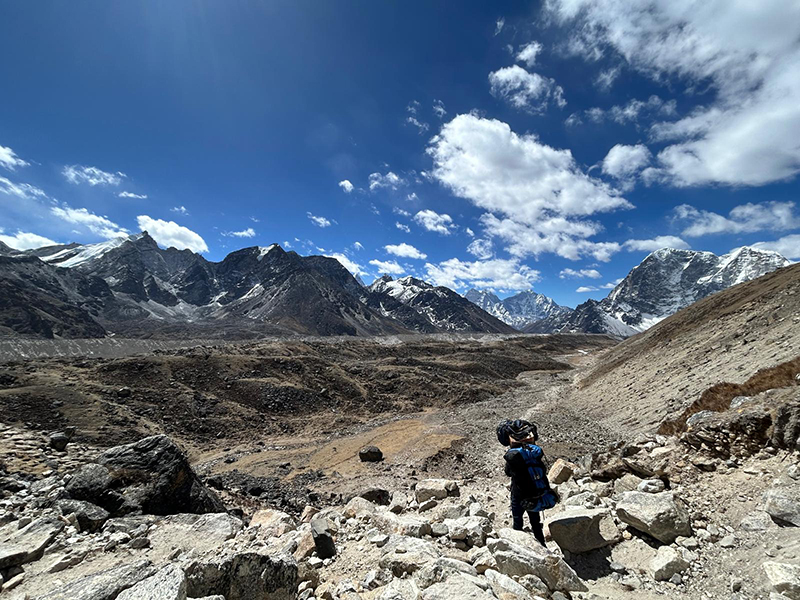
After reaching Gorak Shep, you will stop for a short rest and lunch. From there, the trail heads toward Everest Base Camp, following the Khumbu Glacier moraine. The ground is rocky and uneven, so you will walk carefully and pace yourself.
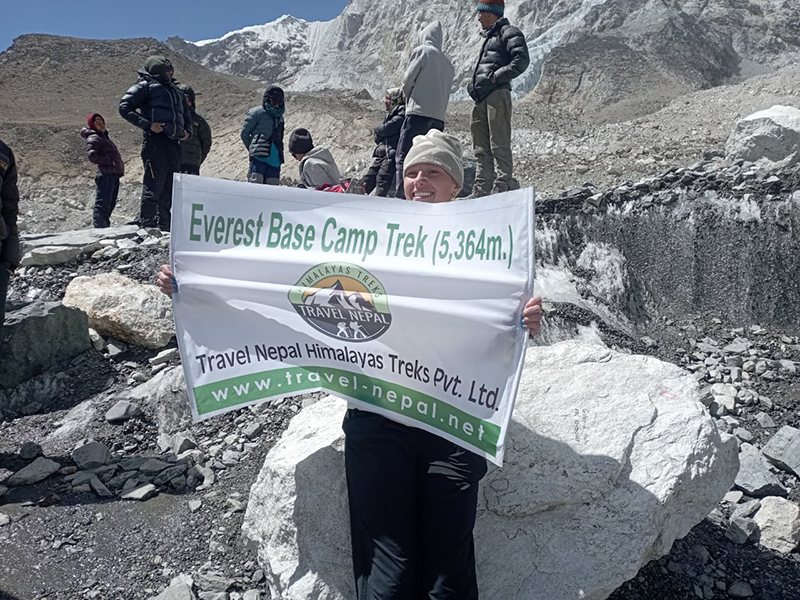
Standing at Everest Base Camp is a powerful moment. You are at 5,364m, at the foot of the world’s highest mountain, surrounded by the Khumbu Glacier and towering Himalayan peaks. Many trekkers describe it as one of the most emotional experiences of their lives. Take your time, breathe it in, and enjoy the achievement.
After photos and a moment to soak it all in, you will return to Gorak Shep for the night. Rest well — tomorrow brings the sunrise view from Kala Patthar.
• Altitude: Gorak Shep – approx. 5,164m / 16,942ft; Everest Base Camp – approx. 5,364m / 17,598ft
• Trek Time: Approx. 7–8 hours total
- Lodging: Tea House / Lodge
- Inclusions: Breakfast, Lunch, Dinner
Day 09: Hike to Kala Patthar and Trek to Pheriche
Early in the morning, you will hike to Kala Patthar — the finest viewpoint on the entire trek and one of the most breathtaking spots in the Himalayas.
From Kala Patthar, the panorama is extraordinary. Everest, Nuptse, Pumori, Lingtren, and a wall of Himalayan giants surround you in every direction. On a clear morning, the sunrise over Everest from this viewpoint is something you will never forget. This is the moment that makes every steep climb, every cold night, and every breathless step completely worth it.
After the hike, you will return to Gorak Shep for breakfast. From there, you will descend to Pheriche. The lower altitude feels like a reward for your body after the highest point of the trek.
• Altitude: Kala Patthar – approx. 5,545m / 18,192ft; Pheriche – approx. 4,371m / 14,340ft
• Trek Time: Approx. 7–8 hours total
- Lodging: Tea House / Lodge
- Inclusions: Breakfast, Lunch, Dinner
Day 10: Trek from Pheriche to Namche Bazaar
After the high drama of Kala Patthar and Everest Base Camp, today is a long and satisfying descent back toward the lower valleys. The trail passes through Pangboche and Tengboche, retracing familiar ground that now feels completely different with Everest Base Camp already behind you.
As you descend, the air thickens, the temperature rises, and your body begins to recover. The walk is long but the trail gives you final lingering views of Ama Dablam and the Khumbu peaks — one last look at the giants before the valley closes in. After reaching Namche, treat yourself to a bakery, a hot coffee, and a well-earned rest.
• Altitude: Namche Bazaar – approx. 3,440m / 11,286ft
• Trek Time: Approx. 6–7 hours
- Lodging: Tea House / Lodge
- Inclusions: Breakfast, Lunch, Dinner
Day 11: Trek from Namche Bazaar to Lukla
Today is the final walking day of the Everest Base Camp Trek — and it deserves to be savored. You will descend from Namche through the Dudh Koshi River valley, crossing suspension bridges and passing through familiar villages on the way back to Lukla.
The trail that felt so new and exciting on Day 2 now feels like an old friend. After reaching Lukla, gather with your guide and porter team to celebrate one of the greatest things you have ever done. You trekked to Everest Base Camp. Not everyone can say that.
• Altitude: Lukla – approx. 2,840m / 9,318ft
• Trek Time: Approx. 6–7 hours
- Lodging: Tea House / Lodge
- Inclusions: Breakfast, Lunch, Dinner
Day 12: Fly from Lukla to Kathmandu
Your return flight from Lukla is your own arrangement — our team is happy to advise if needed.
Before you leave Lukla, take a moment to say goodbye to your guide and porters. They carried your bags, kept you safe, and made the whole journey possible. A tip is the best way to say thank you — see our tipping guidelines for suggested amounts.
Altitude: Kathmandu – 1,300m / 4,260ft
Flight / Drive Time: Flight approx. 30–35 minutes | Manthali drive approx. 4–5 hours
- Lodging: Tea House / Lodge
- Inclusions: Breakfast
Cost Details
Cost Includes
• Tea house / lodge accommodation during the trek More Info
• Breakfast, lunch, and dinner during trekking days More Info
• Licensed trekking guide More Info
• Trekking staff support based on group size
• Porter to carry your gear More Info
• Sagarmatha National Park permit
• Khumbu Pasang Lhamu Rural Municipality Trek Card
• TIMS Card as Required
• High-altitude safety guidance
• Basic first aid support
• Government taxes and official service charges
Cost Excludes
• 4% credit card fee for any portion of payment made by credit card. Cash or wire incurs no extra fees More Info
• Single guest supplement charge. Contact us for exact price More Info
• International airfare More Info
• Nepal visa fee More Info
• Travel insurance More Info
• Personal trekking equipment (rentals readily available for reasonable prices) More Info
• Airport arrival and departure transfer More Info
• Kathmandu / Manthali to Lukla flight More Info
• Lukla to Kathmandu / Manthali flight More Info
• Ground transfer if flights operate from Manthali
• Hotel accommodation in Kathmandu More Info
• Drinks (a cup tea or coffee is included at each meal), snacks, hot shower (at higher elevations tea houses), Wi-Fi, battery charging, and personal expenses during trek More Info
• Tips for guide, porter, and trekking staff More Info
• Extra hotel nights caused by early arrival, late departure, flight delay, or weather condition More Info
• Extra cost caused by Lukla flight delay, cancellation, rerouting, or helicopter upgrade More Info
• Additional cost caused by landslide, snow, political strike, road blockage, or natural events More Info
• Emergency rescue, medical treatment, helicopter evacuation, or insurance claim cost More Info
• Any cost caused by itinerary change due to altitude sickness or weather More Info
• Any cost not mentioned in the Cost Includes section
FAQ
Everest Base Camp Trekking
Check out our chatbot that has hundreds of answers for you!
Is Everest Base Camp Trekking good for beginners?
Yes, it can be suitable for fit beginners. However, good preparation is important. The trek has high altitude, long walking days, and cold weather.
How many days is this Everest Base Camp Trekking package?
This is a 13-day Everest Base Camp Trekking package. It includes arrival, Lukla flights, trekking days, acclimatization days, Everest Base Camp, Kala Patthar, and final departure.
How high is Everest Base Camp?
Everest Base Camp is around 5,364m / 17,598ft. It is the main goal of the trek.
How high is Kala Patthar?
Kala Patthar is around 5,545m / 18,192ft. It is the highest viewpoint of this itinerary.
What is the best time for Everest Base Camp Trekking?
The best time is spring from March to May and autumn from September to November. These months usually bring better weather and clearer mountain views.
What mountains can I see during the trek?
You can see Everest, Lhotse, Nuptse, Ama Dablam, Pumori, Thamserku, Kangtega, Kongde, and other peaks of the Khumbu region.
Is Everest Base Camp Trekking difficult?
Yes, it is moderate to challenging. The trail is not technical. However, the altitude, cold weather, and long walking days make it demanding.
Do I need a guide for Everest Base Camp Trekking?
Yes. Nepal Tourism Board lists Everest Basecamp Trek under routes that require a licensed guide and a trekking-agency-issued TIMS Card.
Do I need travel insurance?
Yes. Travel insurance is strongly recommended. It should cover trekking above 5,000 meters, medical care, trip delay, and emergency helicopter evacuation.
Can I customize this 13-day itinerary?
Yes. You can add extra acclimatization days, add Gokyo Lake, add helicopter return, add Everest View Trek, or extend your stay in Kathmandu.
Route Map
Gallery
Client Reviews
Mitchedberg
Vicky S
Date of experience: March 2025
Clare B
Date of experience: March 2025
An amazing experience – went trekking with 14 others in March / April 2025 and had a wonderful time. A big thank you to Badri and his crew for taking care of every logistical detail; flights, hotels, transportation in Kathmandu, transportation to and from the airport, money exchanges, restaurant reservations, sightseeing, optimal route pacing, gear transportation, and 100 other small details that would have left me flummoxed.
He and his team allow for a trek that’s as simplified as possible, you can focus your energy on getting to base camp, and they do everything else. They even bring you hot towels and lemon ginger tea at the end of each day (every morning too). I can’t say enough good things about the porters / guides, they were unbelievable, true heroes of our trip. We had some very unique challenges in our group, and without expert guides and porters we would absolutely not have had the same high quality experience. When I go back to Nepal for a second trek, I’m calling Badri. Badri is the guide you want – generous, personal, and you can tell he and his team deeply care about the well-being of their clients.
One more thing: Not once, but twice, Badri got our entire group flown from Kathmandu to Lukla (and back) on days when the weather was uncooperative. Both times, there was only a brief window when the clouds cleared — just enough for a single plane to make the journey — and guess whose plane was first in line? Even more impressive: while we were waiting at the airport, Badri already had a backup helicopter option lined up, just in case the planes didn’t fly. This kind of foresight and preparation gave us total peace of mind.